


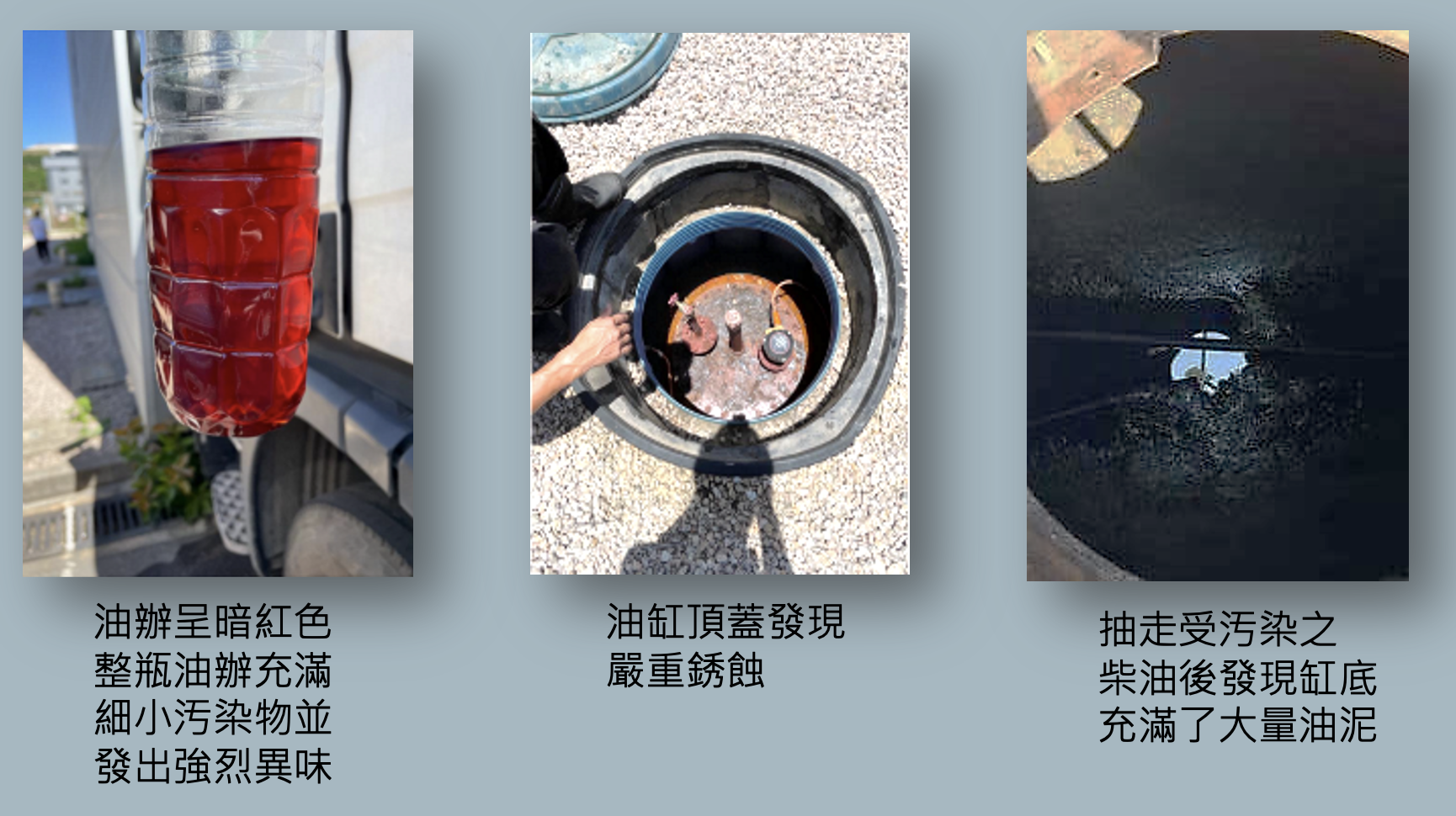
This case involves underground diesel storage tanks at a data center, dedicated to backup generators for emergency use. Typically, the client maintains a fuel reserve level between 70% and 80%. Aside from scheduled testing and occasional top-ups, the fuel remains in a static, non-circulating state within the tanks for the vast majority of the time. Although the client conducted annual fuel inspections, sampling was consistently performed on the piping or day tanks, rather than the underground storage tanks themselves. During a random manual inspection of the underground tank, an unusual odor was detected. In response to this abnormality, engineers immediately conducted multi-point sampling across various depths for laboratory analysis. The analysis revealed that samples taken from the deeper sections of the tank had turned dark red and contained a high concentration of fine sediment and debris. Most critically, the microbial count was severely elevated, exceeding 12,000 CFU/ml (Colony Forming Units—the standard measurement for bacteria, fungi, and viruses).
To eliminate the long-term risk of bacterial contamination across the entire backup power fuel system, the client ultimately decided to pump out all contaminated diesel, followed by a thorough cleaning and disinfection of the storage tanks and associated piping. Simultaneously, all waterproofing and sealing fixtures at the ground-level tank tops were replaced to prevent future water ingress. Beyond the loss of tens of thousands of liters of fuel reserves, the contaminated diesel had to be handled as regulated chemical waste by a certified disposal contractor. Between the costs of specialized cleaning, infrastructure upgrades, and the full replenishment of diesel at current market rates, the total expenditure for this recovery mission was four times the market value of the original fuel inventory.
It was also concluded that the contamination was not detected in time due to a failure to monitor water ingress. Factors such as external seepage, internal-external temperature fluctuations, and chronic condensation allowed water to enter and accumulate within the underground tanks. This environment triggered microbial growth and the resulting formation of sludge, leading to long-term degradation of fuel quality and operational reliability.
[Share the Knowledge, Choose the Best]
By sharing real-world case studies, Tak Kee Petroleum empowers our clients with deeper insights into oil applications. This collaborative approach enables them to effectively preempt potential issues and achieve long-term productivity gains.
If you are interested in learning more or sharing strategies on how to improve fuel and lubricant storage solutions, we welcome you to get in touch with us.